ponedjeljak, 26. listopada 2015.

Aktivnosti Kim Jong Una u junu 2015 godine

Aktivnosti Kim Jong Una    Juni 2015

Naše aktivnosti na internetu

može te nas pratiti na https://www.facebook.com/kimjongun.bosnia oficijelna facebook stranica podrške našem dragom Kim Jong Unu
i na blogu http://longlivekorean.blogspot.com/

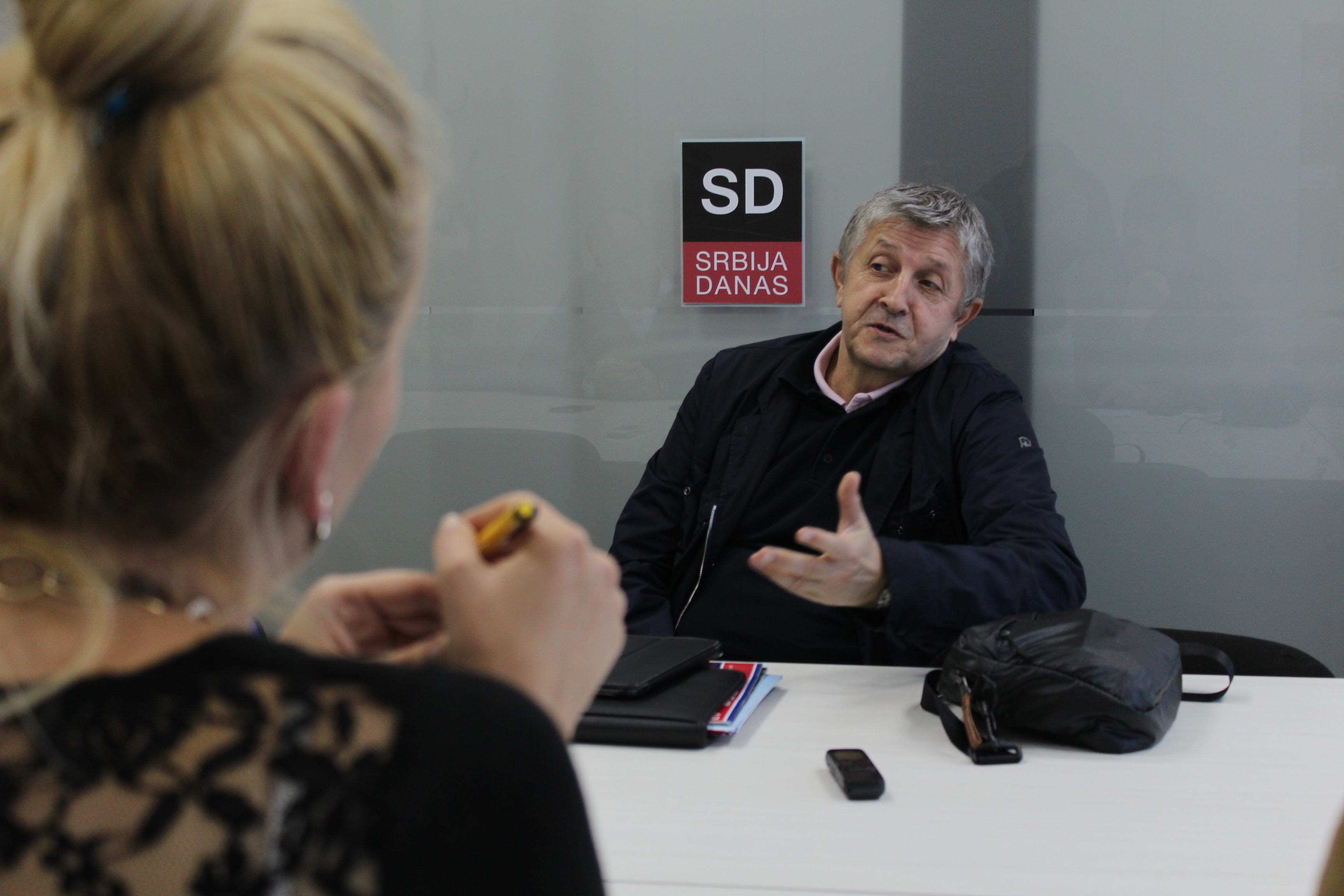
JEDINI SRBIN U SEVERNOJ KOREJI OTKRIVA: Dobijate stan, posao i auto, a ne stižu vam ni računi

Branislav Moro
13.10.2015. • 14:32h • A.Krunić/N.Aralica
Foto: Srbija Danas


Slika koju imamo o Severnoj Koreji je pogrešna, tvrdi Branislav Moro, odbojkaški trener iz Srbije, koga čeka drugi ugovor u Severnoj Koreji. Otkriva nam kako se zapravo živi u ovoj zemlji, da li je upoznao "vođu", i još mnogo toga.
Živeo je u 11 zemalja sveta, išao je u njih bez predrasuda, a sada je u zemlji o kojoj su, kako kaže, mediji naročito iskrivili sliku. Jedini Srbin koji živi u Pjongjangu je Branislav Moro, proslavljeni srpski odbojkaški trener.
- Uglavnom nas i mediji pogrešno informišu, ne znam ni zašto, jer ne postoji nikakav interes u tome. Mi recimo čitamo da su deca tamo gladna, a deca su na pijedastalu u odnosu na nas. Imaju bolja obdaništa, bolje uslove, eto počevši od jedne banalne stvari - teren oko obdaništa im je postavljen gumom od pet centimetara i to im je standard da se dete ne bi povredilo kad padne. Imaju čak i zatvorene bazene u okviru obdaništa i to ne jedan, već po nekoliko, priča Moro za Srbijadanas.com.

Pravilo broj 1

Kada dođete tamo, objašnjava nam, prvo vam pojasne da ne postoji "Južna Koreja".  Južna se naziva Koreja, a Severna nosi naziv Demokratska Narodna republika Koreja. Oni isključivo prihvataju takav odnos i takvo obraćanje prema državi. Koreja je naklonjena prema Americi, a DNR Koreja prema Kini i Rusiji, pojašnjava Moro.

Čuvano lice

Po gradu se kreće slobodno, ima status čuvanog lica, kao jedini stranac u svetu sporta. Kaže da je prošao kroz "skener" da bi se zaposlio, ali ne misli da je to nešto drugačije od ostalih zemalja u kojima je radio.
- Oni su vrlo obazrivi ljudi i o svemu se vodi računa. Moj trening je uvek praćen kamerom, što mi je možda malo u početku smetalo, ali sam posle video da se oni tako analitički odnose prema svim poslovima, kaže Moro, koji još nije upoznao "vođu", ali je sam vođa, Kim Džong Un dao "blagoslov" za njegov novi ugovor.
Plan je da u novom aranžmanu, u narednim mesecima, dođe do ovog susreta.
Branilsav Moro
Foto: Srbija Danas

Život bez računa

- Ova zemlja ima perspektivu, nikom ništa ne duguje, imaju fenomenalnu industriju hrane. Njihov prosečan lični dohodak je između 300 i 350 dolara, ali stan i kola dobijaju od države. Ne plaćaju školovanje, ne plaćaju zdravstvo, ne plaćaju komunalije. Država obezbeđuje sve, tvrdi naš sagovornik.
Daj šta daš!
Kad je u pitanju plaćanje, tu su vrlo fleksibilni.
"Uđete u prodavnicu i piše "11". Vi date 15 dolara, oni vam vrate 4. Date u evrima - vrate vam u evrima. Nadmašili su i Crnogorce. Domaću valutu nisam video, ali ima i prodavnica gde se kupuje isključivo domaća roba. Postoje i fri šopovi, ali ne znam zašto nose takav naziv, kad kupujemo i mi (stranci) i oni (domaći stanovnici)", priča odbojkaški trener.
Neke druge vrednosti
Moro smatra da mladi u Severnoj Koreji imaju potpuno drugačije utemljene vrednosti, pa uticaj sa Zapada, i da dopre do njih, kroz muziku ili film, ne bi mnogo promenio:
- U mojoj ekipi sve devojke znaju da sviraju klavir, violine, što je kod nas već postalo neobično, takoreći egzotika. Da ne pominjem čitanje knjiga, jer ne mogu ćerku da nateram da pročita ni dve knjige, iskren je naš sagovornik.
Jednom je na treningu u najsavremenijoj teretani pustio modernu, zapadnu muziku, ali niko nije bio oduševljen.
-  Njima se nešto i ne sviđa takva muzika. Slušaju, mogu vam reći dobru muziku. Imaju jednu fenomenalnu grupu Morango, žensku grupu sastavljenu od jedno 16-18 devojaka, od kojih 6-7 pevaju, a ostale sve sviraju. Bila je slovenačka grupa Lajbah u Pjongjangu, što je meni neshvatljivo.
Severna Koreja
Foto: Profimedia

Prestonica odiše čistoćom, druženjem...

Svoju priču bazira na iskustva o Pjongjangu, pa nismo mogli da ne pitamo da li je tako i u ostalim delovima Severne Koreje.
2 dolara druže
Ceo dan u spa centru, toliko modernom da su u njemu napravili i veštačke talase, košta dva dolara.
- Ne mogu da tvrdim, ali dobijam informacije da se razvilo desetak velikih gradova, naročito na moru prema japanskoj strani, i da su se tamo napravila ozbiljna letovališta.
U glavnom gradu je oduševljen, između ostalog, čistoćom.
-  Dajem 100 dolara ako nađete papir na 10 kilometara. Pjongjang je kao grad skockan, sređen, ulice su široke, trgovi veliki, a sve je vrlo uređeno.
- Stvari koje oni imaju su neuporedive. Infrastrukturu koju oni imaju mi nemamo, ne zbog Srbije kao Srbije, već zbog situacije kakva je u Evropi. Ja živim pored hotela koji se sad sređuje i koji ima 250 metara visine.
Po radu, redu i posvećenosti, mogu da se izjednače sa Japancima, kaže Moro o karakteru ljudi u Koreji.

Druže se!

Objašnjava da tamo nema noćnog izlaska kako ga mi pojmimo. Jednostavno, oni nemaju naviku da tako izlaze:
- Ipak se oni mnogo više druže.  Idem gradom, a ispred svake zgrade odbojkaški teren i oko 6 sati svi igraju odbojku, a oni koji ne igraju navijaju. Druže se. Kao mi za vreme bombardovanja. Oni su upućeni jedni na druge, jako puno se druže, cele zgrade izlaze na ulicu i ja ih gledam zapanjeno, iskren je naš sagovornik.
Severna Koreja
Foto: Profimedia
Ulazi Kuvajćanin u kafić i...
- Doživeo sam još jednu komunističku zemlju u kojoj sam radio - to je Kuvajt, tamo kad uzmeš kredit oni ti oproste i kredit. Nema boljeg komunizma nego u Kuvajtu, to je najveća komunistička zemlja koja postoji. Ali, se oni onda još i žale da im je malo. Sedeo sam jednom u nekom društvu, kada je došao Kuvajćanin za sto i rekao "Ova zemlja je nikakva. Moja žena kupi torbu za 2.500 kedija i mi nemamo dovljno do kraja meseca" (dve i po hiljade kedija je 6.000 evra) . Samo što ga nismo udarili, kaže Moro kroz smeh.

Odnos prema vođi - fantastičan!

Morali smo da proverimo i da li je odnos prema vođi fanatičan, kao što se predstavlja.
- Obično možete pročitati da to izgleda fanatično, ali meni izgleda fantastično. Voleo bih da mi isto tako volimo našeg predsednika, ma ko god on bio, ma kog uverenja, koje god političke stranke. Predsednik je zaslužio da ga poštuje narod koji ga je izabrao i samim tim i da ga voli.  Te norme bi trebalo da važe za svakog predsednika u svakoj zemlji.

O sportu

-
 Što se tiče sporta i sportskih uslova, mogu da kažem da imam verovatno bolje uslove za rad nego 90 odsto klubova u Evropi. Imam bolje uslove nego u Nemačkoj, a da ne govorim o našim uslovima, kaže Moro.
Radi u klubu pod nazivom "425 sport klub", gde je 425 oznaka armije koja je zadužena za oblast sporta. To je jedna, u bukvalnom značenju, armija sportista, jer 90 odsto sporta je regulisano kroz armiju, ostali deo kroz policiju.
- To nije ništa neobično, takav sistem praktikuje se i u pojedinim regionima Kine, objašnjava nam on.
Oni ulažu puno u sport, čak ima i ulica u Pjongjangu koja se zove ulica Mladosti, u kojoj se nalaze 32 sportske hale sa gledalištem. Svaki sport ima svoju halu. Ipak, odbojka ima posebno mesto, a popularan je i fudbal.
Severna Koreja
Foto: Profimedia

Nisu neznalice

Što se situacije sa medijima i sa praćenjem situacije iz sveta tiče, kaže da je na internetu lako uporediti sliku iz sveta sa onom koju oni prenose.
- Njih nikad ne bi zanimale pojedine mreže, što se interneta tiče, niti Farma, nemaju takvu vrstu interesovanja. Totalno su u drugom smeru. Imaju svoj nacionalni program i to je to. Po meni, oni jako nalikuju bivšoj Jugoslaviji. Imaju proizvodnju i kompjutera, svi oni znaju i da rade na kompjuteru, ali samo u smislu posla. Oni su vrlo upućeni, nisu neznalice, kaže Moro.

Jedini minus

Branislav Moro
Foto: Srbija Danas
Kako navodi, za 30 godina karijere, bio je trener svih beogradskih prvoligaških timova, bio je trener reprezentacije, a nije mogao da živi od svog rada. Zato je krenuo u svet. U Severnoj Koreji ima jednu jedinu, ali veliku "patnju" .
- Nemam svoje prijatelje sa sobom, nemam svoju porodicu sa sobom, a ćerka me je u 11. godini pitala: "Tata jel si ti bio nekad na mom rođendanu?". Nisam nikad bio jer je u februaru, a meni je sezona u februaru najžešća i završava se u aprilu-maju.
Sa generalom, koji mu je i veza sa "vođom" pregovara da još ljudi iz Srbije povede u ovu, za ostatak sveta, i dalje, mističnu zemlju.

nedjelja, 2. kolovoza 2015.

HOME

Pyongyang, August 2 (KCNA) -- Supreme leader Kim Jong Un gave field guidance to the newly-built Pyongyang Home for the Aged.
Going round different places of the home, he learned in detail about its construction and preparations for its operation.
He said that the home was successfully built to suit national character and flavor, adding that, the longer one watches, the more fashionable it looks and every aspect of the structure was constructed to meet the requirements of physical bodies, ages and mentality of its health-seekers.
Heated floor rooms and bedrooms were built to cater to the taste of health-seekers, dining rooms were constructed to create homelike atmosphere and stairs were designed in such a way as not to give any inconvenience to old people when moving in line with the instruction given by me when visiting the construction site last time, he noted.
He said that service and healthcare establishments including barber's, beauty parlor, bath and treatment rooms look impeccable and library, sporting room and amusement hall were also successfully built for the cultural and emotional life and physical training of health-seekers.
An air-conditioning system by use of geotherm is introduced into the home to smoothly settle the issue of regulating temperature and outdoor resting place was arranged well and greening of its environment done very well, he said, adding he was very pleased with everything.
The appearance of Pyongyang Home for the Aged along with Pyongyang Baby Home and Orphanage in a good place has turned this area into a district which vividly shows President Kim Il Sung and leader Kim Jong Il's love for the people, he noted.
He said with emotion that the completion of the home for the aged made it possible to realize another lifetime desire of the great leaders.
The aged persons will be very pleased to come to the new home, he said, instructing officials to hold a ceremony for completing the home for the aged and let them settle there as soon as possible as they are looking forward to the day of moving to it.
He expressed expectation and belief that the solider-builders who had successfully completed Pyongyang Home for the Aged as intended by the Party Central Committee would perform greater miracles and feats in the new worksites for building a rich and powerful country entrusted to them by the party.
He was accompanied by O Su Yong, Kim Ki Nam, Ri Jae Il and Kim Yo Jong. -0

ponedjeljak, 22. lipnja 2015.

Kim Jong Un Watches Flight Training of First Women Supersonic Fighter Pilots


Kim Jong Un Watches Flight Training of First Women Supersonic Fighter Pilots
Pyongyang, June 21, 2015 23:59 KST (KCNA) — Supreme Commander of the Korean People's Army Kim Jong Un, first secretary of the Workers' Party of Korea and first chairman of the National Defence Commission of the DPRK, watched a flight training of women supersonic fighter pilots Jo Kum Hyang and Rim Sol.
He learned about a taking-off and landing solo flight training plan of women fighter pilots at the airfield runway before watching their training.
Seeing their solo flight with satisfaction, he said with pleasure that young girls are very admirable, they are flowers of the sky and women supersonic fighter pilots came into being for the first time in the history of army building.
Watching them promptly dealing with sudden circumstances, he said that he was very pleased with their brave training. He highly appreciated them, saying that the girls' solo flight of supersonic fighters in which it is hard for men to fly is a success to be proud of in the world.
At the end of the training he met with Jo Kum Hyang and Rim Sol and congratulated them on their successful training.
Warmly taking the hands of the pilots weeping tears of joy after receiving bouquets, he said that they successfully conducted solo flight though there are a few countries with women pilots of supersonic fighters. This is not because their physical conditions and technological preparations are good but it is a revelation of the noble revolutionary spirit in which they cherished the warm love for the country and the transparent spirit of defending the country and ideologically accepted the Workers' Party of Korea's training-first policy and remained loyal to the intention of the Supreme Commander.
He had a photo session with the pilots.
He was accompanied by Hwang Pyong So, O Kum Chol and Ri Pyong Chol.

subota, 20. lipnja 2015.

Sećanje na Dragog Vođu Druga Kim Jong Ila je besmrtno!


“Sneg neprestano pada, kako i da ne pada kad smo izgubili našeg Generala,, planine, mora, čitava zemlja prolivaju krvave suze zaleci Dragog Generala.”


Očinski General, rođen je 2.16. 31 Juche godine (1942) u jeku velike socijalističke revolucije i anti-japanskog rata predvođenim Velikim Vođom Kim Il Sungom.
Veliki Vođa drug Kim Il Sung je jednom rekao za Dragog Generala da je njegovo rođenje bilo specifično, rođen je u tajnom kampu svete revolucionarne planine Pektu osnovanog 25. Juche godine (1936) nosio je stvari kao i ostali gerilci, već tada je spoznao rat, i ocinski voleo svoju naciju. Rođenje Dragog Generala su pozdravili svi gerilci, sa odusevljenjem.

                                      
                               Tajni Pektu kapm, gde je rođen Dragi Vođa drug Kim Jong Il

  Majka Dragog Generala je bila anti-japanska heroina Kim Jong Suk,brinuci o Dragom Lideru ona ga je vaspitala koliko je otadžbina važna i da vredi ginuti sa požrtvovanjem za svoju naciju. Porodica Dragog Lidera je bila, od davnina revolucijonarna, deda Dragog Generala Kim Hjong Dzik je bio anri-japanski revolucionarni borac. Nekoliko puta su ga zatvarali zbog revolucionarnog rada. Kad god bi Veliki Vođa drug Kim Il Sung pitao kad ce se otac vratiti, ona bi govorila uskoro. “Jednog dana me je odvela u Sving na brdu Mongjong i sedeci na ljuljašci, dok je mene drzala u rukama rekla je  “ Song Dzu, otopile su se sante leda na reci Taedong a na drvecu je izraslo zeleno lišće, a tvoj se otac nije vratio kući. On se borio za svoju zemlju Kako to moze biti zločin? Ti moraš brzo da porasteš i da se osvetiš neprijatelju za oca...Ti moraš da porasteš i da budesš junak koji će se izboriti za svoju zemlju.” Veliki Vođa drug Kim Il Sung je obećao majci da će to uraditi ma šta bilo da bilo. Jednog dana ga je odvela u zatvor da poseti oca. Poseta ocu u zatvor bila je za Velikog Vođu druga Kim Il Sunga veliki događaj. “ Shvatio sam zasto me je majka povela u zatvor. Fizičke povrede na ocu su me naterale da do srži osetim okrutnost japanskog imperijalčizma. ”
Veliki Vođa drug Kim Il Sung je oslobodio Koreju i od japanskog i američkog imperijalizma. Dragi Vođa drug Kim Jong Il shvativši koliko je vojska bitna počinje 8.25 49 Juche (1960)godine da radi na Songun revolucionarnoj ideji, tako da Songun i Juche ideja postaju ideje vodilje za napredak i prosperitet Demokratske Narodne Republike Koreje. Za Generalnog Sekretara  Centralne Vojne Komisije Demokratske Narodne Republike Koreje postaje 4.13. 82 Juche (1993) godine.Svoj revolucionarni rad Dragi Vođa drug Kim Jong Il nastavlja i u radu Centralnog komiteta Radničke partije Koreje. Nakon smrti Predsednika Kim Il Sunga 6.8.83 Juche (1994) funkcija predsednika iz poštovanja na Velikog Vođu biva ugašena. A  tako da 10.8.86 Juche (1997)  Dragi Vođa drug Kim Jong Il  postaje i Generalni Sekretar Centralnog komiteta Radničke Partije Koreje.
Dragi Vođa, Besmrtni Lider, Revolucionarno Juche Sunce, Sunce 21 veka, Brilijantni Komadant je umro 12.19.100 Juche (2011) od prevelikog fizičkog i psihičkog napora u pomaganju socijalističkom narodu. Srce Brilijantnog Komadanta stalo je u vozu obilazeci zemlju, davajući instrukcije kako bi narod ziveo u sto većem blagostanju. Sećanje na Dragog Vođu će uvek trajati, svetlo pravde i istine će uvek ostati njegovi Songun tragovi su neizbrisivi, za celu otađbinu cvetaju njegova dela. Tako 2.14.101 Juche (2012) godine Dragi General dobija titulu Generalisimusa Demokratske Narodne Republike Koreje, najvecu titulu u zemlji. Počinju da se grade spomenici u slavu Besmrtnog Generala širom zemlje. Kormilo partije i socijalističke revolucije preuzima Postovani Vođa drug Kim Jong Un, tako da 4.11  Postovani Vođa proglašen je za Generalnog Sekretara Centralnog komiteta Radničke Partije Koreje a 4.13 101 Juche (2012) je proglašen za Generalnog Sekretara Centralne Vojne Komisije Demokratske Narodne Republike Koreje. Dok 7.17.101 Juche (2012) godine i za Maršala Demokratske Narodne Republike Koreje.
Sećanje na Dragog Lidera će trajati, General je uvek uz nas, On je večan poput Sunca!

UK KFA on the 51st anniversary of the start of work of the great leader comrade KIM JONG IL at the Central Committee of the Workers Party of Korea

              UK KOREAN FRIENDSHIP ASSOCIATION                                 

London 14th of June 2015
        The UK Korean Friendship Association issued the following statement on the  51st anniversary of the start of work of the great leader comrade Kim Jong Il at the Central Committee of the Workers' Party of Korea ;
The great leader comrade Kim Jong Il, a true people's leader  and successor to the great leader comrade Kim Il Sung, started his work at the Central Committee of the Workers' Party of Korea on the 19th of June 1964. The WPK is the ruling party of socialist Korea, the supreme general staff of the Korean revolution . Comrade Kim Jong Il had joined the WPK on the 22 July 1961 .
                                   The great leader comrade Kim Jong Il worked hard at the central committee of the WPK to defeat the internal enemies of People's Korea and to eliminate alien and impure ideologies such as capitalism and revisionism. He developed the ideology of the WPK, the Juche idea , in depth . He wrote the famous thesis "On the Juche Idea "
                   Working at the Central Committee of the WPK comrade Kim Jong Il guided all sectors of work ; the military, ideology, the economy  and culture. He took a special interest in the film industry and wrote the immortal treatise "On the Art of the Cinema " .
                 The great leader comrade Kim Jong Il worked day and night to guide the party . It was a well known fact that he would stay up all night working at the headquarters of Workers Party of Korea so that people referred to the "ever shining lamp at the party centre "
                 Comrade Kim Jong Il built up the WPK as the motherly party taking care of the people's lives. Korean people benefit from free education, free health care, low cost housing  and abolition of taxation.
                   When socialism was frustrated in some countries the great leader comrade Kim Jong Il made sure that the WPK held high the red flag of socialism writing such works as "Giving Priority to Ideological Work is Essential for Accomplishing the Cause of Socialism ".
                   The decades of leadership and guidance to the WPK given by the great leader comradeKim Jong Il had been decades of victory and glory in which the socialist citadel of People's Korea was consolidated.  UK KFA salutes the achievements made in guiding the WPK by eternal general secretary great comrade Kim Jong Il.
  This year is the 70th anniversary of the foundation of the WPK and the exploits made by the great leader comrade Kim Jong Il in party building are carried forward by dear respected Marshal Kim Jong Un the First Secretary of the WPK and successor to the cause of Juche.

UK KFA

THE IMPORTANCE OF THE GREAT WORK ``GIVING PRIORITY TO IDEOLOGICAL WORK IS ESSENTIAL FOR ACCOMPLISHING SOCIALISM´´ IN THE INTERNATIONAL COMMUNIST MOVEMENT by D Munoz KFA Member

Saturday, 20 June 2015

THE IMPORTANCE OF THE GREAT WORK ``GIVING PRIORITY TO IDEOLOGICAL WORK IS ESSENTIAL FOR ACCOMPLISHING SOCIALISM´´ IN THE INTERNATIONAL COMMUNIST MOVEMENT by D Munoz KFA Member


THE IMPORTANCE OF THE GREAT WORK ``GIVING PRIORITY TO IDEOLOGICAL WORK IS ESSENTIAL FOR ACCOMPLISHING SOCIALISM´´ IN THE INTERNATIONAL COMMUNIST MOVEMENT.
Dear comrades,
We are here today to commemorate the 51st anniversary of the start of work of the Great Leader comrade KIM JONG IL at the central committee of the WPK and the 20th anniversary of the publication of the work ¨ Giving Priority to Ideological Work is essential for accomplishing socialism¨, wich is one of the most important cientific works of the orthodox comunism in the recent times.
Times in wich we are able to see how gradually the capitalism is destroying itself, and the sense of fight of the international workers movement is raising above again.
But a struggle in wich the reformism, leftism, revisionism, extreme right and all the easy ideologies are blocking the distruction of capitalism to reach the socialism is worthless.
In this times where the orthodox communists are having the difficult task to concience the oppressed masses of this society and prioritize the ideological formation.

20 years ago, when the worldwide working class thought that the socialism is a failed idea because of the disappearance of the socialist block and the majority of the communists parties droped into revisionism and pro-democracy, the Great Leader comrade KIM JONG IL proved with his great work, that the only way to reach and keep socialism on the correct path is intensifying the ideological factor; wich is an essential labour in all the aspects to help fomenting the damage of the bourgeois way of thinking and the scourges of the past inside the socialist society, preserving this way the democratic proletariat dictatorship , under the correct leadership of the Party this will prevent the bourgeois ideas from infiltrating and deteriorating the socialist sistem like it happened for example in the Soviet Union where this scourge show itself in the XX congress of the CPSU in the hands of the revisionist Nikita Kruschev who disintegrated the proletariat dictatorship, or in China in the hands of the revisionist Deng Xiao Ping who after the attempt of the orthodox communists led by the comrade Mao Tse Tung of keeping the democratic popular dictatorship and intensify the ideological education, Deng and his accomplices snatched the Party from the people and brought China into a path towards capitalism.
The Great Leader comrade KIM JONG IL said in his work: ''If remnants of old society in socialist society are encouraged to grow, or capitalist economic management methods are introduced into socialist economic management, or worse still, if capitalist ownership is revived by encroaching upon socialist ownership, this will result in the economic, material basis of socialist ideology being pulled down, and conditions created for the growth of individualism, selfishness and other bourgeois ideas. Private ownership inevitably gives birth to individualism and bourgeois ideas inevitably grow and spread on the soil of capitalist ownership and the capitalist market economy. Socialism is incompatible with private ownership and the capitalist market economy´´
This is the case that lead the socialism to extinction in all the other countries in wich they did not  prioritize the ideological formation. We can observe this process nowadays in Cuba.
But the people of Korea under the leadership of the Party and the comrades KIM IL SUNG, KIM JONG IL and KIM JONG UN fomented the anti revisionist struggle and the ideological prioritization , destroying in this way all signs of opportunism and bourgeois ideas wich can debilitate the socialist sistem like we saw recently with the anticommunist opportunist of the traitor Jang Song Thaek and his accomplices whom were brought to light by the people trying to create a conspiracy against the socialist system. They were punished like the scourge of the bourgeois society to maintain intact the socialist sistem and keep constructing it day by day , being the motherland of the Juche Idea the vanguard of the international communist movement.
We have to intensify the study of the Leaders and the inmortal revolutionary Juche Idea beeing the clear example of the anti revisionism in all the organizations and communists parties around the world.
The DPRK proved that they still lead great victories in the construcction progressing firmly towards the Communist Society.
The DPRK is not the last bastion of socialism, but the first example of a bright future in wich intensifying the ideological labour and fighting the struggle together we, all the oppressed people in the world can reach the victory.
DAVID MUÑOZ.
KFA.

marching for independence

marching for independence

I was only eight years old at the time, but I joined in the march wearing my worn-out shoes full of holes.
I shouted and shouted with the marchers and reached Botong Gate. The marchers rushed inside the castle
past the Gate; I could not keep up with them in my tattered shoes and so I took them off and ran after the
marchers as fast as my little legs could move. The enemy mobilized mounted police and army troops to
stop our march, They slashed and shot the marchers indiscriminately. Many of the marchers fell spilling
blood. But the marchers marched on and fought the enemy with bare hands.
For the first time in my life, I witnessed people killing people, Korean blood staining our own land. My
young mind and body was enraged. After the sunset, the villagers from Mangyon-dae went to Mangyong
Peak and held a rally at the summit. Torches were lit and bugles blared. We beat drums and metal pans,
making enough noise to wake up the dead. We shouted hurrah for our independence. This continued on
for several days. Mother and her sister took me along when they joined the crowd at the summit. Mother
was busy carrying drinking water and burning oil for the torches to the protesters at the summit.
The marchers in Seoul were joined by the people who were in Seoul to attend King Kojong's funeral.
Several hundreds of thousands of people joined the march. Hasegawa, Governor General of Korea,
ordered the 20th Infantry Division garrisoned at Yongsan to squash the movement. The Japanese
soldiers attacked unarmed marchers with swords and rifles, turning Seoul into a sea of Korean blood.
But the marchers stayed their course; when the vanguards fell, the next in line took the lead. The
marchers pushed on stepping over their fallen comrades. People marched in all major towns and cities in
Korea on that day.
Photo: Young school girls marching for independence.
Young school girls marched holding up Taeguk-gi. When their hand holding up the flag was cut off by
the Japanese, they picked up the flag with the other hand. When both hands were cut off, they marched
on until they dropped, shouting "Long Live Korea!" Even the most hardened Japanese savages were
afraid of such determined opponents. The mass uprising in Seoul and Pyongyang soon spread to all of
the thirteen provinces of Korea by the middle of March. It had spilled over to Manchuria, Shanghai,
Siberia, Hawaii and other foreign places. The uprising was a true pan-national movement, of all Koreans,
all overseas Koreans, irrespective of their gender, age, religion and vocation. Every one was welcome to 
join (PAGE 28)

mY NAME IS KIM HYONG ROK

Y NAME IS KIM HYONG ROK

Uncle would say - "my name is Kim Hyong Rok", upon which the police would slap him a few times and
repeat the process; with each refusal, the Japanese police became angrier and more vicious in their beating
of my poor uncle. But, my uncle did not give in.
Grandpa was proud of Uncle's courage and stood behind Uncle's decision to hold onto our Korean family
name. Grandpa told Uncle that it was not right to submit to the Japanese when I, Sung Ju, was leading an
anti-Japanese movement; that it was better to be beaten to death than to submit to the Japanese.
When we stepped out of our family home gate, we swore that we would
be back, but I was the sole survivor to return home. My father died at
age 32 while fighting for Korea in a foreign land, far away from home.
In a man's life, 32 is the prime. After his funeral, grandma came to visit
her son's grave at Yang-ji, Musong. She cried her heart out, hugging the
grave. To this day, I remember the scene as if it were only yesterday.
Six years later, my mother passed away at Ahndo before she could
return home. Soon after my mother's death, my younger brother, Chul
Ju, a guerrilla fighter, was killed in action against the Japanese. I don't
know his body was buried. (
Photo: Uncle Kim Hyong Kwon in prison
where he died
).
A few years later, my younger uncle died from torture at the Mapo
prison, while serving a long-term prison term. Our family did not have the money to recover his body for
proper burial, and he was buried in common graves of the prison. In less than 20 years, most of my
relatives in anti-Japanese movements died at various distant strange places.
When I returned home after liberation, Grandma rushed out to meet me at the front gate and cried out -
"Where is your father, your mother? Why are you back alone? Could you not bring them home with
you?" She broke my heart. I felt for grandma's sorrows and also, I felt greater sorrows over the fact that I
could not bring home the remains of my parents and relatives, buried in forgotten unattended graves far,
far away from home.
Since then at every front gate of every Korean home I have passed through, I have wondered how many
patriots had left the gate never to see it again. Every Korean gate has witnessed tearful partings, painful
longings for the loved ones, and heart-wrenching tragic endings. Tens of thousands of our fathers and
mothers, our brothers and sisters have died fighting for Korea. It took 36 long years to regain our
nationhood; through years of blood, tears and agonies, through clouds of exploding shells and rains of
bullets, we returned home. Thirty six years of our struggle saw oceans of our blood and sweats, and cost
generations of our youth. It was a horrendous and enormous price to pay, but without our sacrifices, we
would not have today's Korea, Korea would still be a slave nation and her people living shameful
miserable lives. The Korean people would have been slaves of foreigners for the whole of the 20th
Century

Father's belief in communist movement hope in communism in light of the Bolshevik revolution in Russia. The March First fiasco convinced him that we must change our nationalist movement into communist revolution. Father argued for toilers' revolution at the Chung-su Conference in July 1919. He convened a conference of the Korean People's Association cadres, liaison officers and leaders of other nationalist organization in August at Hongtong- gu, China. At the conference, Father expounded his belief in transforming our nationalist movement into communist movement. He emphasized that the movement must defeat the Japanese imperialists by our own power, adapting to the prevailing world situations and work to build a society that protect the proletariat. Formulating concrete steps to go from nationalist movement to communist movement was one of my father's achievements in our struggle for independence. Father explained his idea of proletarian revolution is to build a new society wherein those without food are given rice and those with nothing to wear are given clothes. He awakened workers, peasants and other toilers by setting examples; he united various organizations and groups into a united front and nurtured it into a powerful organ of revolution.. Father advocated that petitions and diplomacy would not bring us freedom and we must rely on military forces to gain freedom. He began to organize new military organizations. Father wanted to train nationalistic youth from farming families on military tactics and leadership and to indoctrinate the existing military leaders and junior officers. They would form the core of a new army of workers and peasants. Father dispatched members of the Korean People's Association to various military organization to spread his new military doctrine; he directed arms procurements and education of military officers. Father endeavored to unite military groups. At the time, there were many groups competing to expand and this was the most agonizing defect of our independence movement to my father. In Kan-do and Siberia, there were a host of armed Korean camps. Almost every day, a new "Korean Society", "Korean Freedom Corps", "Korea Corp" and so on popped up. There were at least 20 of such armed groups in southern Manchuria alone. They might have achieved something significant, if they got together and coordinated their actions. But the fact of the matter is that they betrayed each other and vied for dominance. Father feared that this sad situation, if continued, would alienate the Korean people and help Japanese wipe out the camps. Father learned that Korean Independence Youth Corp and Kwangje Youth Corp were at each other's throat; he rushed to Kwangje and called on the leaders to bury the hatchet and work together for common cause. Thanks to Father, Hong-up Corps, Gung-bi Corps and other armed groups in the Yenan-Yalu region merged into a united national army. Transforming extant armed groups into a people's army of workers and peasants and embarking on the road of communist revolution was one of Father's agenda. This new direction would help unite the armed groups and minimize contentious rifts amongst them. Father worked tirelessly to redirect our military activities until the day he died. He was struck down with an incurable disease. After Father's announcement of the new direction at the Kwanjun Conference, ideological splits among the nationalists intensified. Even among those who had supported Father's plan when he was alive deserted after his death. Some of them were captured by the Japanese, some became turncoats, and others scattered away. Few took up the banner of revolution when Father fell. The conservatives in the nationalist camp built walls around them and kept to their old ways; but many progressive leaders chose the new way and later joined in our communist revolution. Father's belief in communist movement provided much needed nourishments for my growth


hope in communism in light of the Bolshevik revolution in Russia. The March First fiasco convinced him
that we must change our nationalist movement into communist revolution. Father argued for toilers'
revolution at the Chung-su Conference in July 1919. He convened a conference of the Korean People's
Association cadres, liaison officers and leaders of other nationalist organization in August at Hongtong-
gu, China. At the conference, Father expounded his belief in transforming our nationalist movement into
communist movement. He emphasized that the movement must defeat the Japanese imperialists by our
own power, adapting to the prevailing world situations and work to build a society that protect the
proletariat.
Formulating concrete steps to go from nationalist movement to communist movement was one of my
father's achievements in our struggle for independence. Father explained his idea of proletarian
revolution is to build a new society wherein those without food are given rice and those with nothing to
wear are given clothes. He awakened workers, peasants and other toilers by setting examples; he united
various organizations and groups into a united front and nurtured it into a powerful organ of revolution..
Father advocated that petitions and diplomacy would not bring us freedom and we must rely on military
forces to gain freedom. He began to organize new military organizations. Father wanted to train
nationalistic youth from farming families on military tactics and leadership and to indoctrinate the
existing military leaders and junior officers. They would form the core of a new army of workers and
peasants. Father dispatched members of the Korean People's Association to various military organization
to spread his new military doctrine; he directed arms procurements and education of military officers.
Father endeavored to unite military groups. At the time, there were many groups competing to expand
and this was the most agonizing defect of our independence movement to my father. In Kan-do and
Siberia, there were a host of armed Korean camps. Almost every day, a new "Korean Society", "Korean
Freedom Corps", "Korea Corp" and so on popped up. There were at least 20 of such armed groups in
southern Manchuria alone. They might have achieved something significant, if they got together and
coordinated their actions. But the fact of the matter is that they betrayed each other and vied for
dominance.
Father feared that this sad situation, if continued, would alienate the Korean people and help Japanese
wipe out the camps. Father learned that Korean Independence Youth Corp and Kwangje Youth Corp
were at each other's throat; he rushed to Kwangje and called on the leaders to bury the hatchet and work
together for common cause. Thanks to Father, Hong-up Corps, Gung-bi Corps and other armed groups
in the Yenan-Yalu region merged into a united national army.
Transforming extant armed groups into a people's army of workers and peasants and embarking on the
road of communist revolution was one of Father's agenda. This new direction would help unite the armed
groups and minimize contentious rifts amongst them. Father worked tirelessly to redirect our military
activities until the day he died. He was struck down with an incurable disease. After Father's
announcement of the new direction at the Kwanjun Conference, ideological splits among the nationalists
intensified. Even among those who had supported Father's plan when he was alive deserted after his
death. Some of them were captured by the Japanese, some became turncoats, and others scattered away.
Few took up the banner of revolution when Father fell. The conservatives in the nationalist camp built walls around them and kept to their old ways; but many progressive leaders chose the new way and later
joined in our communist revolution.
Father's belief in communist movement provided much needed nourishments for my growth

ponedjeljak, 15. lipnja 2015.

Did North Korea really admit to its horrific forced labor camps? Not exactly.

   
There's some slightly unusual stuff happening in North Korea at the moment. Most obviously, Kim Jong Un, the country's omnipresent supreme leader, has been out of the public eye for a long time, and no one seems to know quite why. Receiving less fanfare (though perhaps just as important) is the news that North Korean officials have made the rare decision to hold high-level talks with the South.
Given that, the news that North Korea seems to have admitted that its notorious labor camp system really does exist would seem to fit into a cluster of potentially hopeful signs. Unfortunately, it may not be so simple.
The Associated Press reported Tuesday that Choe Myong Nam, a North Korean foreign ministry official in charge of U.N. affairs and human rights issues, had recently admitted that the camps existed in a U.N. briefing. "Both in law and practice, we do have reform through labor detention camps — no, detention centers — where people are improved through their mentality and look on their wrongdoings,” Choe reportedly said.
In the past, North Korea has completely denied any reports of the existence of a labor camp system. However, there has been growing criticism of the camps from outside sources. In 2003, the Committee for Human Rights in North Korea released a report that examined what it called a "Hidden Gulag" in North Korea: The second edition of that report, released in 2012, estimated that there were 150,000 to 200,000 people in the labor camp system, which it said had operated for decades. The camps have clearly been identified in satellite photos, and accounts from survivors (such as that told in former Post reporter Blaine Harden's book “Escape from Camp 14”) are numerous.
A year-long investigation by the United Nations Commission of Inquiry on Human Rights in North Korea published its results at the start of this year, further shining a light on the camps. While the report's authors noted that numbers in the camps seemed to have decreased, there were still 80,000 to 120,000 people in the camps, imprisoned without trial for crimes as minor as criticizing the Kim dynasty or trying to organize Christian services. Entirely families are often punished for the perceived crimes of one member, the report noted, comparing the scale of the camps to Soviet gulags or Nazi Germany's political prison system.
North Korea's response to the U.N. report has been remarkable – a mixture ofanger, insults and whataboutism. But there have also been some signs of introspection: A 53,558-word internal review of North Korean rights presented an improbably rosy view of the situation, but perhaps it was a start. Could the admission that the "labor detention centers" were real be another move forward?Perhaps not. Adam Cathcart, editor in chief of North Korea-watching Web site Sino-NK, says that North Korea had already alluded to the concentration camps in its own human rights report, with the passage where it describes penalties that include “reform through labor for an indefinite period, reform through labor for a definite period, and disciplining through labor.”
Notably, Choe seems to have made a slip of the tongue when mentioning "camps," and corrected himself to refer to "centers." It's an important distinction to North Korea watchers. "He is *not* acknowledging the existence of political prison camps ... that we know about from former inmate/guard testimony and satellite imagery, but which [Pyongyang] has always denied the existence of," Sokeel Park, director of research and strategy at Liberty in North Korea, wrote on Facebook as news of Choe's comments spread, suggesting instead that Choe was talking about "reform through labor detention centers," a different and less-controversial system.
North Korea does appear to be making an attempt at dialogue about its human rights abuses, though it clearly wants to do so on its own terms. The semantics here are important, but perhaps even more important is the real-life action: On Wednesday, State Department spokeswoman Jen Psaki said that despite the apparent reference to the forced labor camps, the U.S. has not seen any action actually taken by North Korea to close the camps.
Adam Taylor writes about foreign affairs for The Washington Post. Originally from London, he studied at the University of Manchester and Columbia University.